
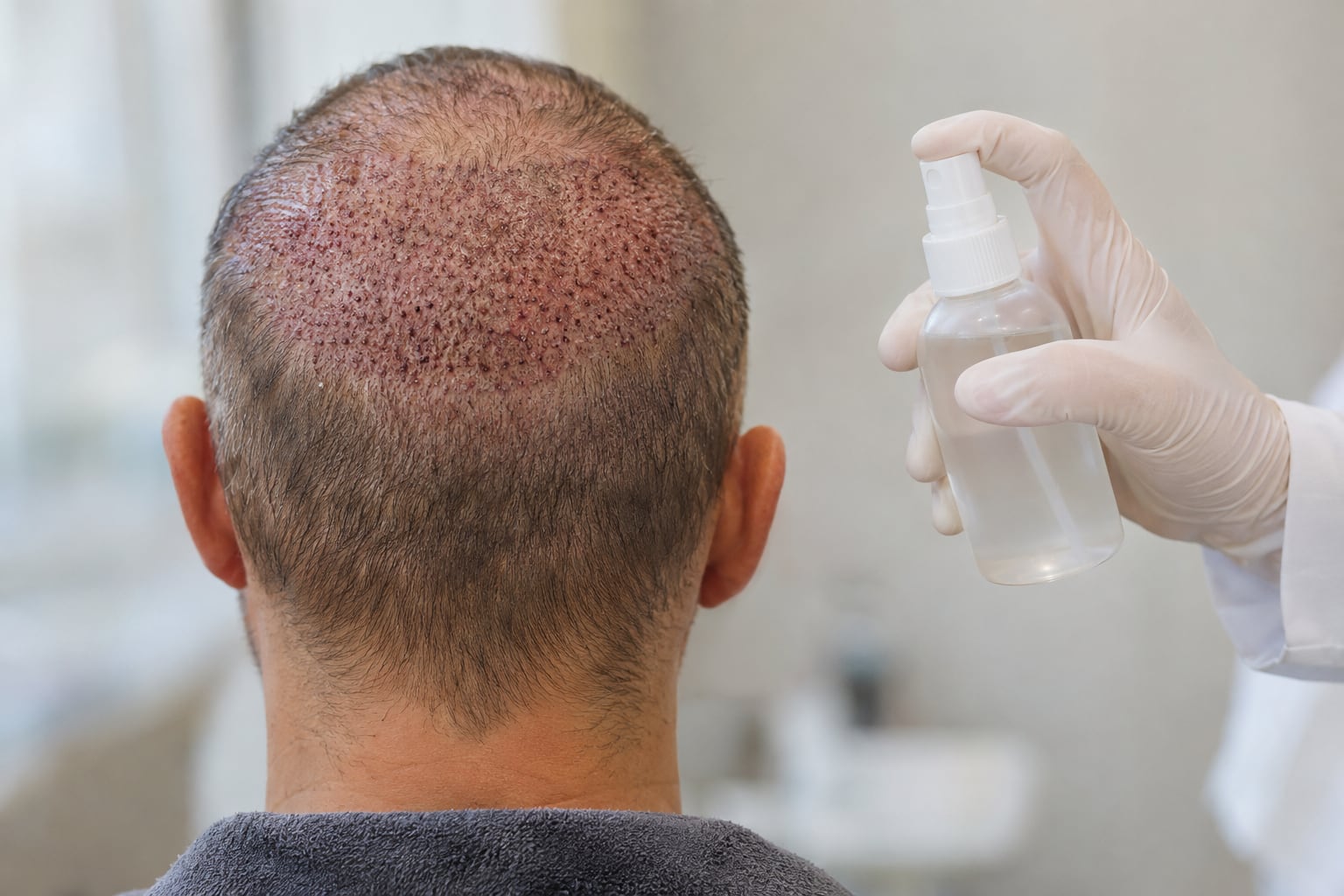
This article is for readers in Ann Arbor, Michigan who are looking ahead to hair transplant surgery and want to know what the early healing period involves. It draws on one hospital source and ends with the questions that matter for the longer view.
The first day or two
According to my.clevelandclinic.org, "You may have to wear a pressure bandage for a day or two to help with healing."
Stitches and the scar
The same source describes the next step: "Typically, these stitches are removed about 10 days after surgery and will leave behind a small scar that can be concealed by your own hair."
For the wider field of choices beyond surgery, this overview of hair loss treatments, from topical options to surgery is a useful companion.
What the timeline does not cover
The sentences above cover the first days. They do not say what the result looks like a year on or what upkeep it asks for. Ask the surgeon for both in writing before you book, and ask what follow-up visits are included in the quoted price.
Another route to compare
Surgery is not the only approach to hair loss. A review of the literature on platelet-rich plasma for androgenetic alopecia, with a proposed treatment protocol looks at a different one.
A plain-language read on the same topic
The hospital page PRP for Hair Loss: Does It Work? is written for patients and can sharpen the questions you bring to the consultation.
Options written for women
If you are comparing choices, the plasticsurgery.org article What hair loss treatments are available for women? is another place to read.
The question to ask before committing
Ask what recovery will ask of you in the first days, and then ask what the total cost of keeping the result looks like over the following year.